
Shuangjie Zhang
Postdoctoral FellowUniversity of Texas at Austin
shuangjie.zhang@austin.utexas.edu
Research
I build statistical models for high-dimensional, dependent, and non-Gaussian data — with a focus on recovering interpretable structure (interactions, dependence, causal direction) from messy biomedical measurements.
Structure & Causal Discovery
Directed acyclic graphs, directed trees, and generalized Bayesian inference for learning how variables drive one another.
Factor Models & Interactions
Latent factor and graphical models that make feature interactions estimable — and let them vary with covariates.
Density Regression
Semiparametric models for how a whole outcome distribution shifts with covariates, including discontinuities at thresholds.
Microbiome & Multi-omics
Methods built for sparse, zero-inflated, compositional count data, and for integrating several omics tables at once.
Publications and Preprints
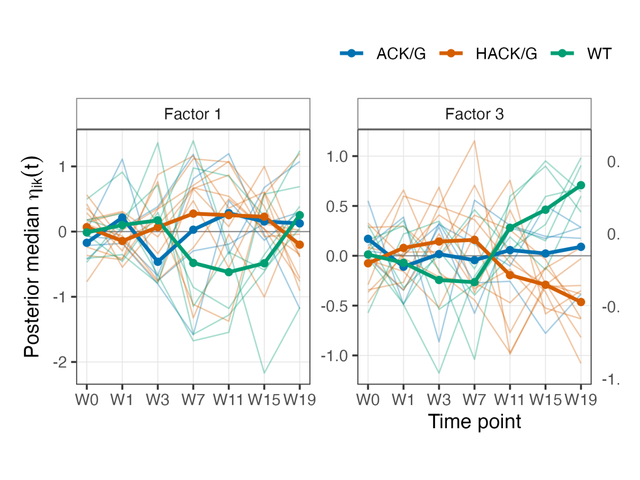
Bayesian Nonparametric Longitudinal Factor Model for Microbiome Counts
A nonparametric factor model for repeated microbiome measurements that tracks how feature interactions evolve over time within each subject.
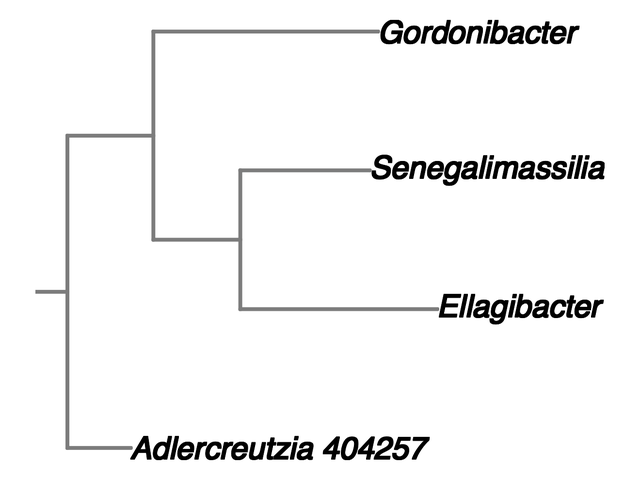
Phylogeny-Guided Selection of Microbiome Features using Bayesian Prevalence-Aware Multinomial Logit Normal Regression
Uses the phylogenetic tree to guide which taxa are selected in a multinomial logit-normal regression, while accounting for how often each taxon is actually observed.
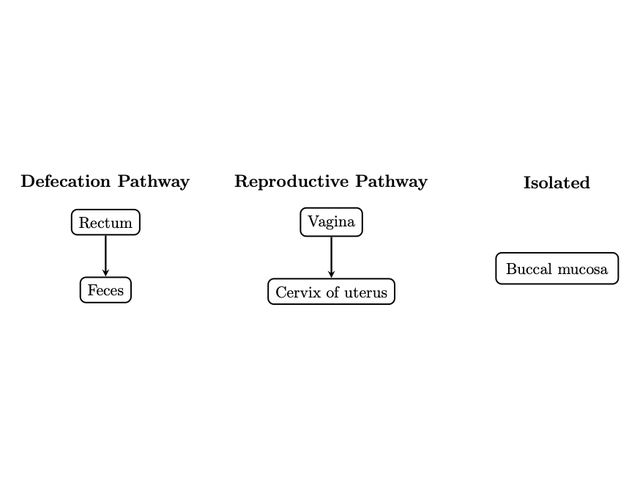
Structure Learning for Directed Trees with Zero-Inflated Compositional Nodes
Recovers directed tree structure among taxa while respecting two features that break standard methods: excess zeros and the compositional constraint of sequencing counts.
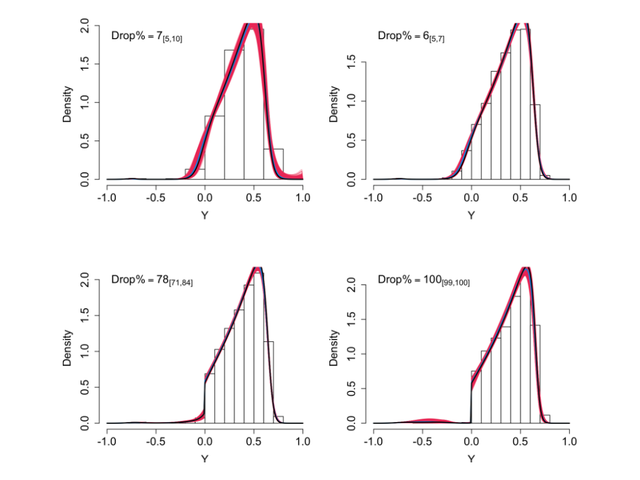
Bayesian Semiparametric Density Regression with Discontinuity
Models how an entire outcome density changes with covariates while allowing the density to jump at a threshold.
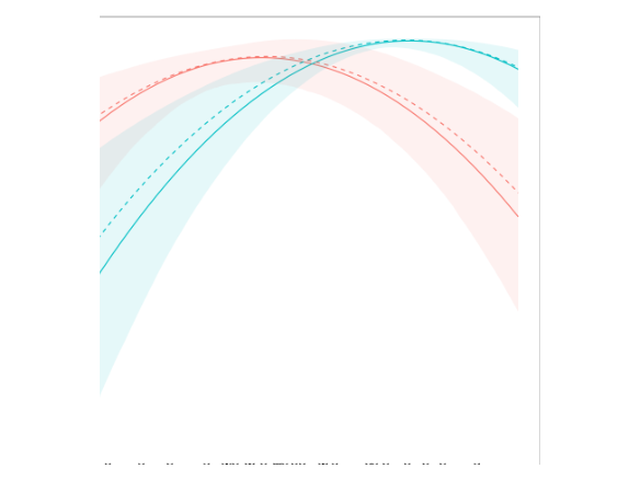
Covariate Dependent Factor Model for Feature Interactions in Microbiome Study
Lets factor loadings depend on covariates, so estimated interactions between microbial features can shift across host characteristics rather than being held fixed.
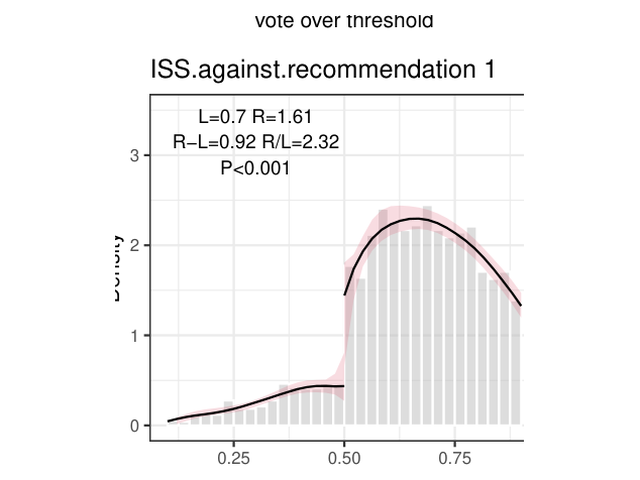
Density Discontinuity Regression
Estimates and tests for a jump in a density at a cutoff — the object of interest in regression-discontinuity style designs.
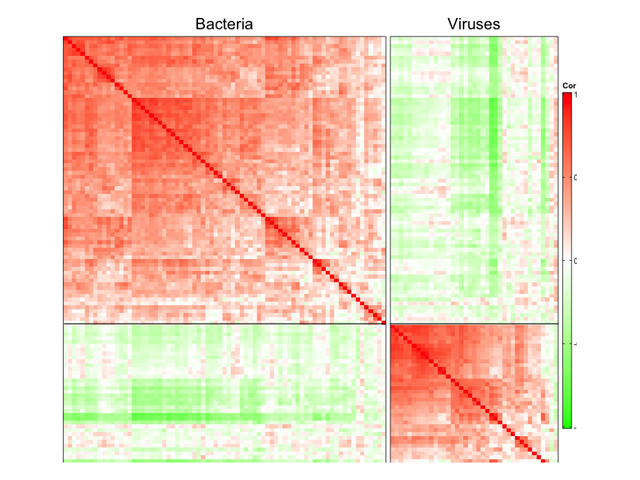
Sparse Bayesian Group Factor model for feature interactions in multiple count tables data
A sparse group factor model that estimates interactions within and across several count tables at once, such as paired microbiome and metabolite measurements.
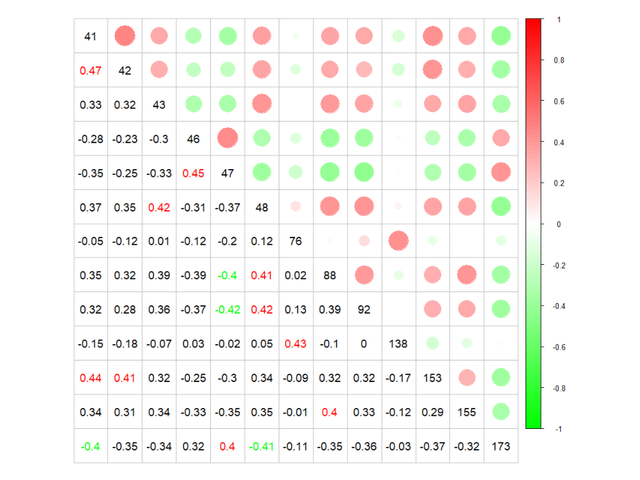
Bayesian modeling of interaction between features in sparse multivariate count data with application to microbiome study
A zero-inflated multivariate rounded log-normal model that separates true absence from undersampling when estimating feature interactions.
# denotes equal contribution.
In Progress
- Zhang, S., Luo, H., Mallick, B., & Ni, Y. Generalized Bayesian Compositional Directed Acyclic Graph.
- Li, X.#, Zhang, S.#, Zhang, Q., & Ma, S. Measurement Error Analysis in Multi-omic Data.